
Wireless Foot Switches & Foot Pedals
Linemaster’s Wireless Footswitches are designed to eliminate cord clutter on the floors, providing users with greater positioning freedom. These footswitches are offered with up to five digital and three analog switch functions, with additional switch functions available upon request to meet diverse operational needs. The transmitters, powered by AA batteries, ensure easy maintenance and long-lasting use. Linemaster’s Wireless Foot Pedals are ideal for environments where flexibility and efficiency are paramount, delivering reliable performance without the limitations of wired connections.
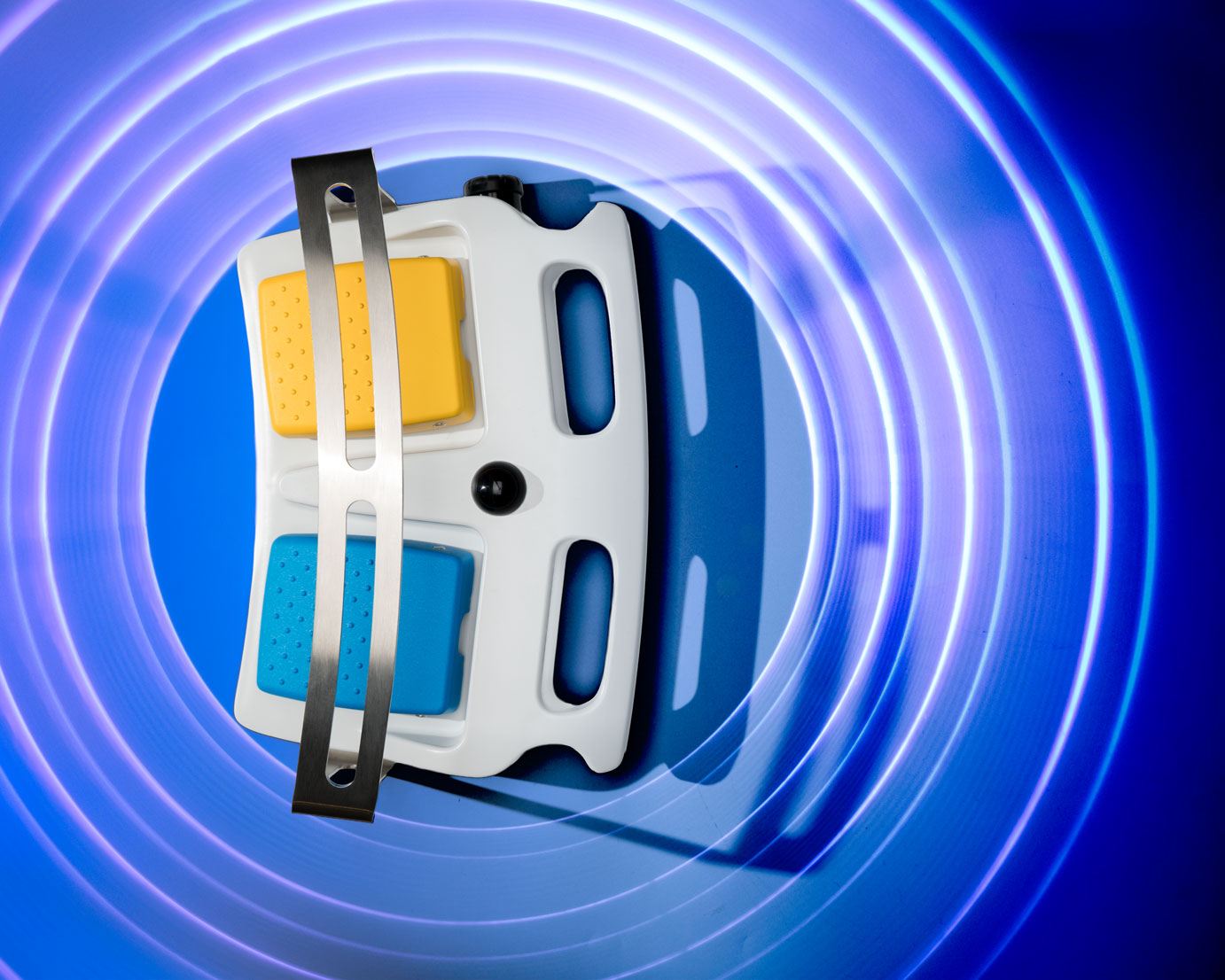
POPULAR WIRELESS CHANNEL HOUSINGS
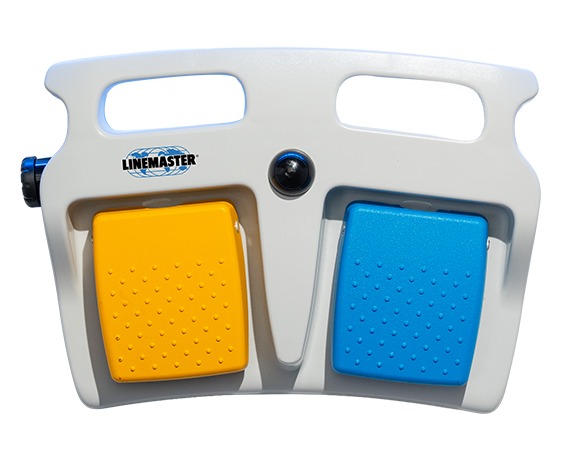
The Aero Channel
The Aero Channel was engineered with OEM customization as a core design principle. Its modular architecture enables extensive configuration options, allowing everything from user interfaces and control layouts to communication and pairing methods to be tailored to specific application and workflow requirements.
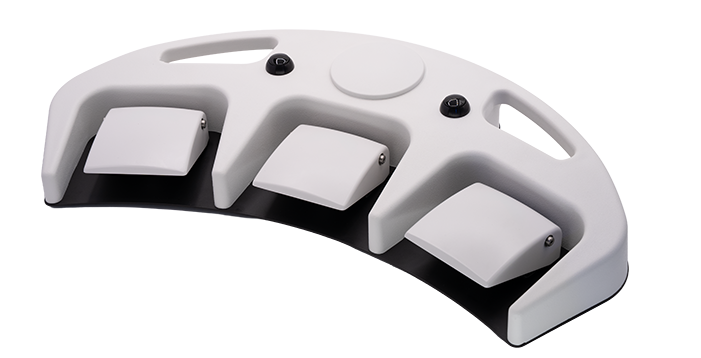
The Crescent Channel
The Crescent is one of Linemaster’s original medical control designs, with more than 15 years in the field and hundreds of thousands of units in service. Proven across a wide range of clinical applications, Crescent delivers the reliability medical environments demand.
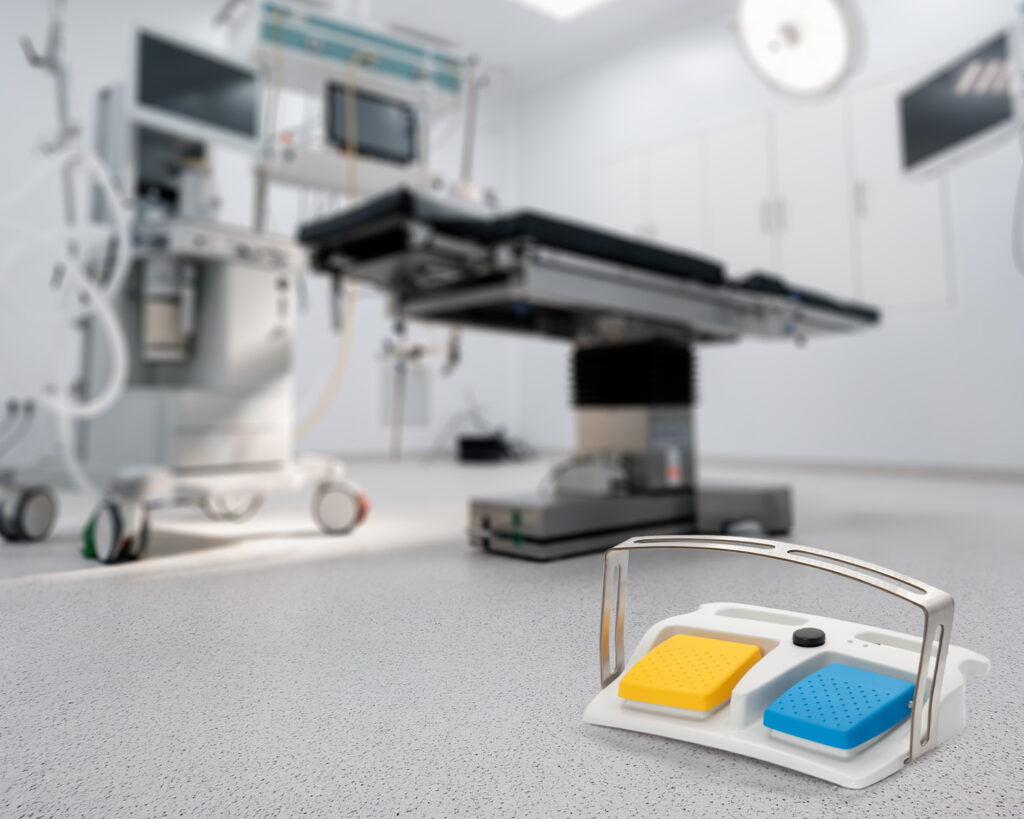
Bluetooth Vs. RF
The wireless protocol used in a foot switch system shapes far more than people typically expect, it determines how the signal travels, how reliable the connection is under interference, how the system handles security, and how the foot switch fits into the equipment it is controlling.
Two protocols come up most often in foot switch applications: traditional RF and Bluetooth Low Energy. Both transmit a signal without a physical connection, but they are built around different priorities and suited to different applications. RF operates as a closed, dedicated link between the pedal and a single piece of equipment, optimized for reliability, security, and performance in environments where multiple wireless devices may be operating nearby.
Bluetooth Low Energy is built around interoperability, designed to integrate naturally into broader connected device ecosystems that have become increasingly common in medical and industrial equipment. Neither protocol is universally better.
The right choice depends on what the equipment needs, what environment it operates in, and how the foot switch is expected to fit into the larger system. For more information:
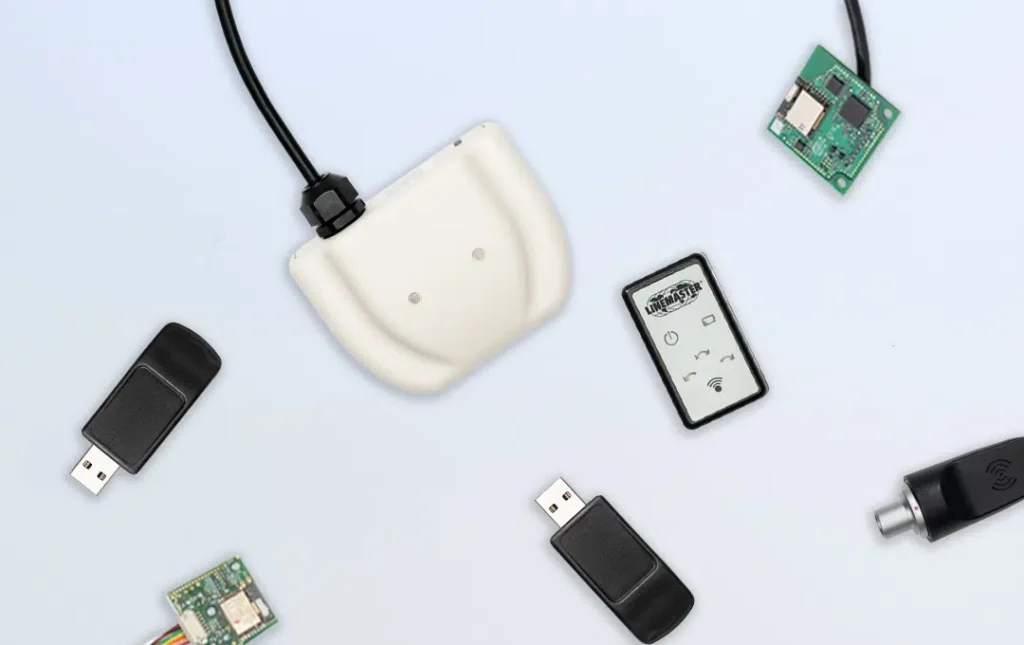
Wireless Receiver Options
When evaluating a wireless foot switch system most people focus on the pedal, but the receiver is what makes the system actually work. The receiver captures the signal from the transmitter and converts it into something the connected equipment can respond to, making it a critical part of the signal path rather than a background component.
Not every receiver setup is the same. Some are mounted externally and work well for retrofitting existing equipment, while others are built directly into the console architecture when wireless is planned from the start. The choice between receiver types affects how the system is installed, how it communicates, how it fits within an enclosure, and how power is supplied, particularly in retrofit applications where available power cannot always be assumed.
Understanding the differences between wireless receiver types before those decisions are made helps avoid integration problems later and ensures the system is built around what the application actually needs.
For a deep dive on our receiver options:
Custom Foot Switches
Linemaster’s custom footswitches are designed to meet specific user requirements, offering a range of features such as various pedal configurations, wired and wireless options, and customizable LED indicators. These custom footswitches provide reliable, durable solutions tailored to enhance functionality in diverse applications.
