
Design Phase Development Backed by Medical Control Manufacturing
A successful custom medical control cannot be designed in isolation from how it will be built.
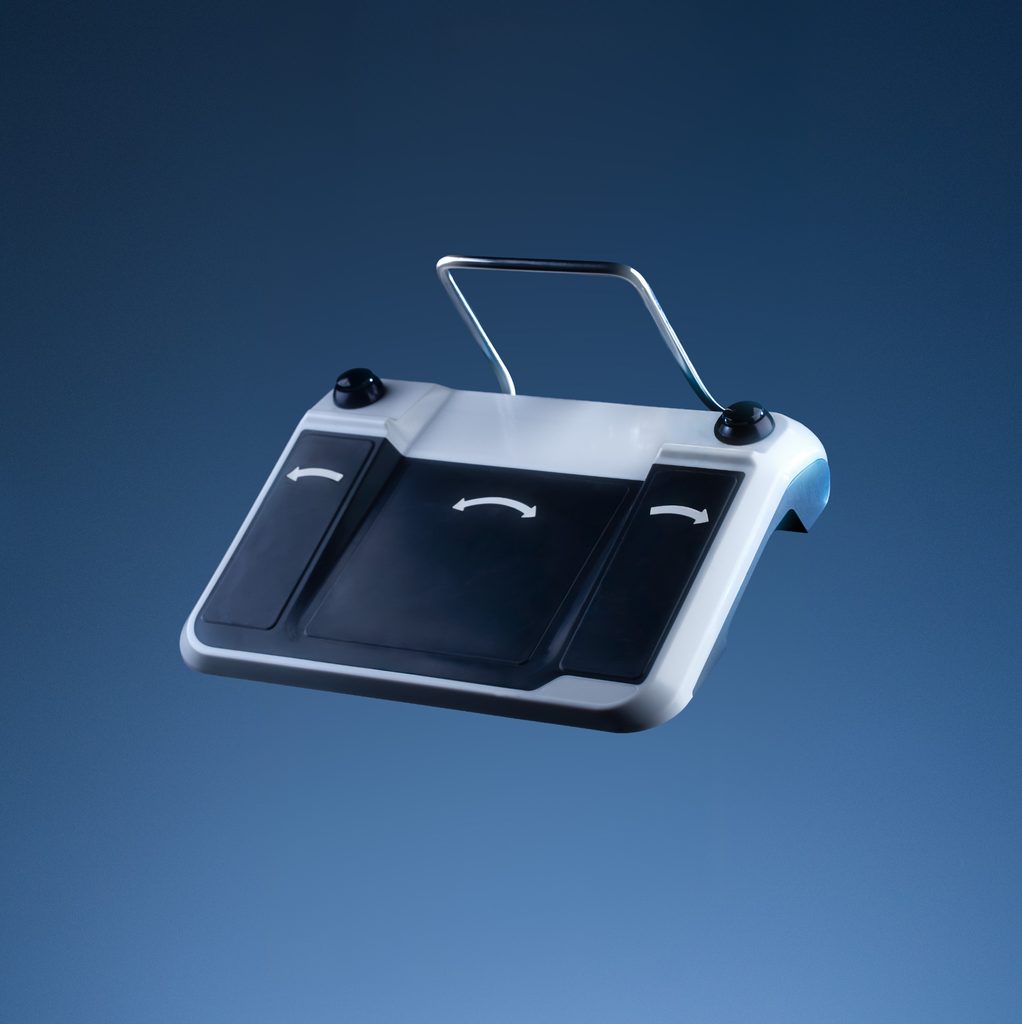
PRESPEC by Linemaster is not a consulting service separated from production. It is an extension of Linemaster Switch Corporation’s industrial design, engineering, testing, quality, and manufacturing capabilities for custom medical foot switches, medical foot pedals, and related foot operated control interfaces.
That distinction shapes how design decisions are made.
TL;DR
A concept developed without production knowledge behind it may satisfy its requirements on paper and still prove difficult to manufacture consistently. Within PRESPEC, manufacturing considerations inform design decisions from the start, while materials, configuration, tooling, inspection, testing, and production requirements can still be evaluated.
Manufacturability as a Design Input
Manufacturability is not treated as a late review. It is part of the design discussion from the beginning.
Concepts are evaluated with consideration for materials, tooling, tolerances, component availability, assembly methods, sealing or environmental protection requirements where applicable, cable construction, production inspection, functional testing, process capability, serviceability, and supply continuity.
This supports design for manufacturability, assembly, inspection, and testing throughout development. Industrial design and engineering decisions are evaluated not only for appearance, ergonomics, and function, but also for whether the product can be manufactured consistently at the intended volume and quality level.
Early concept comparison also allows designs to be evaluated before tooling, validation, and supply chain commitments have been made. This reduces the likelihood that ergonomic, integration, or manufacturing concerns will force costly changes later in the program.
Design Transfer for Medical Control Production
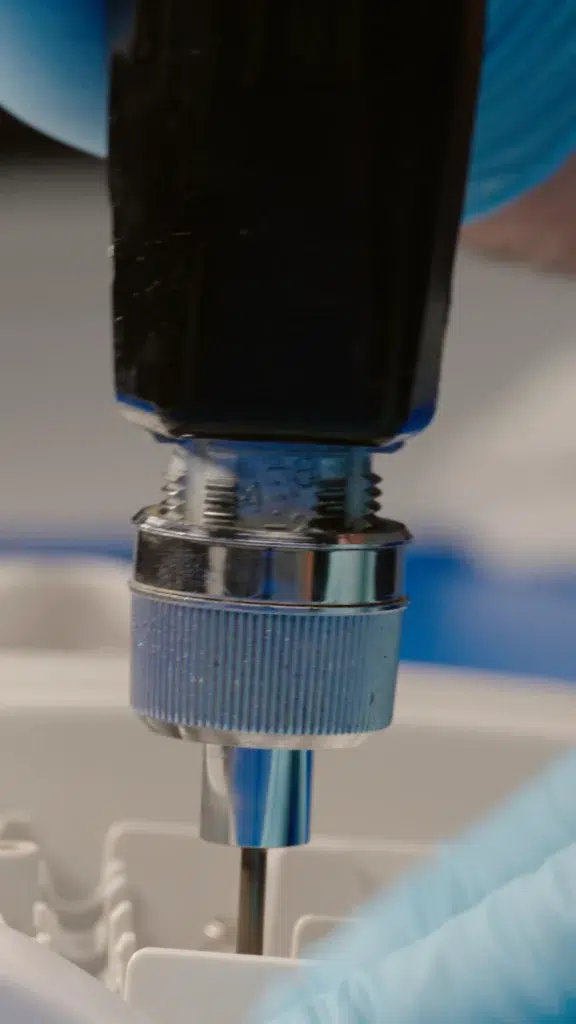
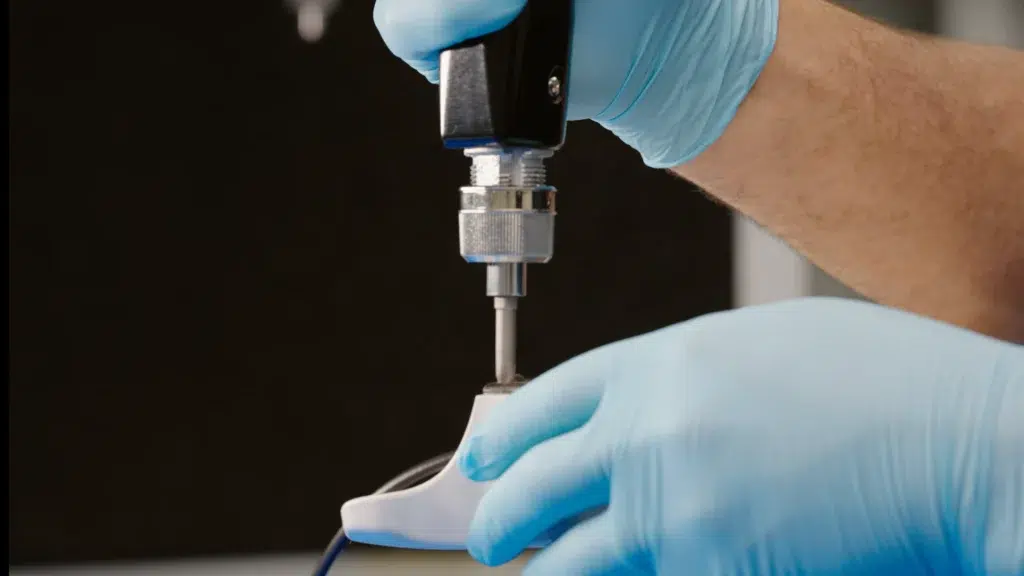
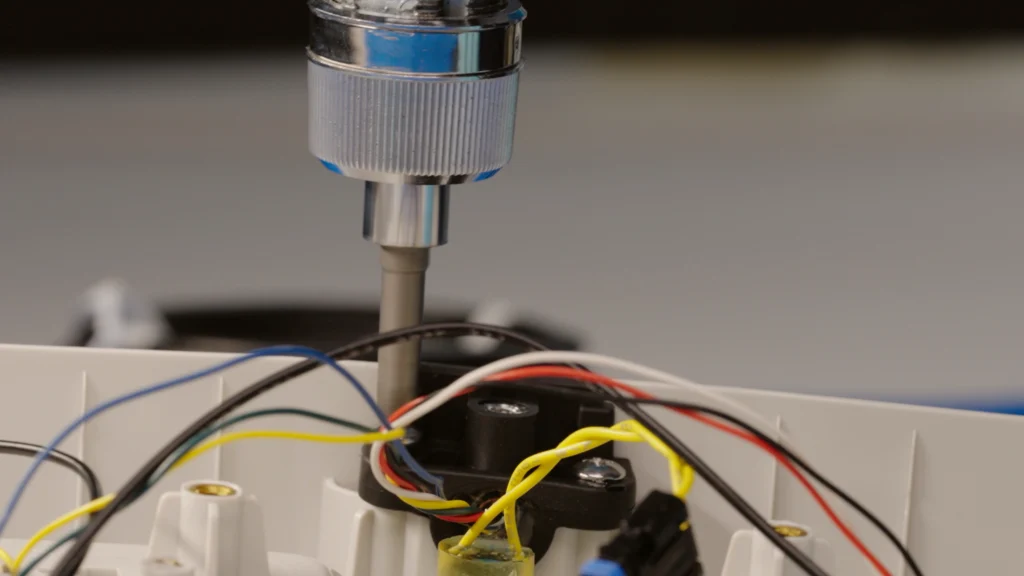
As the design moves toward production, Linemaster Switch Corporation can help establish the drawings, specifications, bills of material, work instructions, inspection criteria, test requirements, tooling, fixtures, and process controls needed to manufacture the control.
The design transfer process should confirm that production documentation accurately reflects the approved design and that manufacturing methods can consistently achieve the defined requirements.
Where appropriate, this work may also support control level DFMEA inputs, manufacturing process PFMEA inputs, and control plan development related to the custom medical control. These tools help connect design requirements, manufacturing risks, inspection points, test methods, and production controls before the product moves into routine production.
Continuity Between Development and Production
This continuity supports a more efficient transition from concept development through design verification and production release. It also reduces the knowledge loss that can occur when design and manufacturing are performed by separate organizations.
Linemaster Switch Corporation operates under an ISO 13485 certified quality management system supporting medical control product development and manufacturing. For the exact scope of certification, refer to Linemaster Switch Corporation’s current ISO 13485 certificate.
This quality system foundation supports the documentation, traceability, verification, and process control expected in medical device programs.
Development and Production Within One Engagement
A design phase development program supported by manufacturing capability allows both the design work and the production work to be addressed within one engagement.
Concepts are evaluated against materials, tooling, tolerances, assembly methods, inspection requirements, testing requirements, and process capability while the design can still change. The same organization can then carry the control through design transfer and into production.
PRESPEC by Linemaster is structured this way so that the control is not only well designed, but also ready to be manufactured consistently at the required volume and quality level.
Connecting development and manufacturing within one organization provides continuity between:

Begin Your PRESPEC Development Program
If your application requires a custom medical foot switch, medical foot pedal, or related foot operated control interface, the design discussion should begin before the major interface and architecture decisions are finalized.
Contact the PRESPEC team to discuss your intended use, user needs, performance requirements, development stage, anticipated production needs, and manufacturing requirements.
Frequently Asked Questions
How does manufacturing capability affect a design phase program?
Manufacturing capability allows concepts to be evaluated from the beginning against materials, tooling, tolerances, component availability, assembly methods, cable construction, inspection requirements, functional testing, process capability, serviceability, and supply continuity.
This helps ensure that design decisions account for how the product will be built, inspected, tested, and supported in production.
What does design transfer involve for a custom medical control?
Design transfer can include drawings, specifications, bills of material, work instructions, inspection criteria, test requirements, tooling, fixtures, and process controls needed to manufacture the control.
The process should confirm that production documentation accurately reflects the approved design and that manufacturing methods can consistently achieve the defined requirements.
Does Linemaster Switch Corporation operate under a medical device quality system?
Yes. Linemaster Switch Corporation operates under an ISO 13485 quality management system supporting medical control product development and manufacturing.
How do DFMEAs, PFMEAs, and control plans fit into the process?
Where appropriate, PRESPEC can support control level DFMEA activity, manufacturing process PFMEA activity, and control plan inputs related to the custom medical control.
A DFMEA can help evaluate how the control design could fail to meet defined requirements. A PFMEA can help evaluate how the manufacturing process could introduce defects or variation. A control plan can help identify inspection points, test methods, acceptance criteria, records, and reaction plans needed to support consistent production.
This work supports the OEM’s broader risk management process. It does not replace the OEM’s device level risk management, regulatory strategy, or final device verification and validation.
Why does keeping development and manufacturing together matter?
It provides continuity between user needs, design inputs, risk controls, drawings and specifications, verification methods, inspection criteria, production testing, and process controls.
That continuity supports a more efficient transition from concept development through design verification and production release. It also reduces the knowledge loss that can occur when design and manufacturing are performed by separate organizations.
Meet The Author

Arijan Kandic
Digital Marketing Specialist
Arijan is the Digital Marketing Specialist at Linemaster Switch Corporation and holds a bachelor’s degree in business management from Quinnipiac University. He manages the company’s SEO strategy, Google Ads campaigns, and digital marketing initiatives, and develops educational content for the Linemaster Learning Center to help engineers, OEMs, and medical device manufacturers better understand foot switch technology. Arijan works closely with Linemaster’s engineering and applications teams to translate complex technical concepts into clear, accurate articles on foot switch design, customization, and compliance considerations.
In Collaboration with

Sean Lewis
Director of Engineering
Sean has more than fifteen years of experience in product development, engineering governance, and cross functional technical operations. His background in metal fabrication, including machining, forming, welding, and inspection, provides a strong manufacturing foundation that supports his approach to design and process optimization. Sean holds a bachelor’s degree in mechanical engineering, an MBA with a manufacturing concentration, and an MSOL. He is a Certified SolidWorks Expert with advanced capability in CAD, rendering, simulation, and rapid prototyping. Sean also specializes in DFMEA and PFMEA risk management practices and is the holder of several foot switch design and utility patents.
Updated 10/26/2026
Custom Foot Switches
Linemaster’s custom footswitches are designed to meet specific user requirements, offering a range of features such as various pedal configurations, wired and wireless options, and customizable LED indicators. These custom footswitches provide reliable, durable solutions tailored to enhance functionality in diverse applications.

