

Tilt Detection and Orientation Protection in Medical Foot Switches
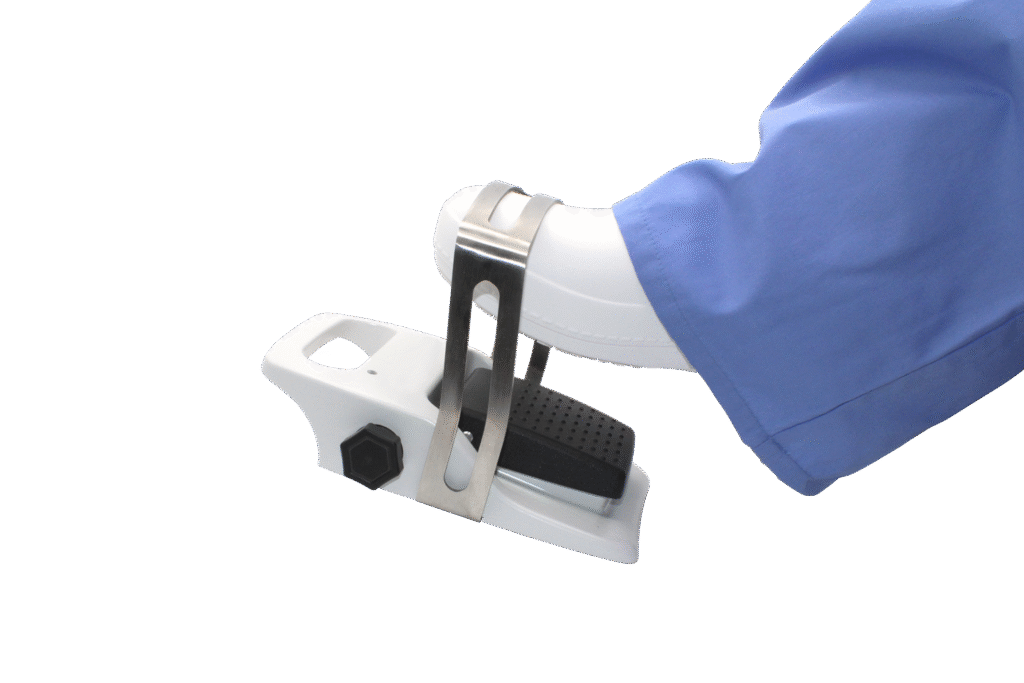
In medical environments, control devices are expected to respond only when intended. For medical foot switches, that means maintaining reliable operation in normal use while helping prevent accidental activation if the device is moved out of position. One way this is addressed is through tilt detection and orientation protection features.
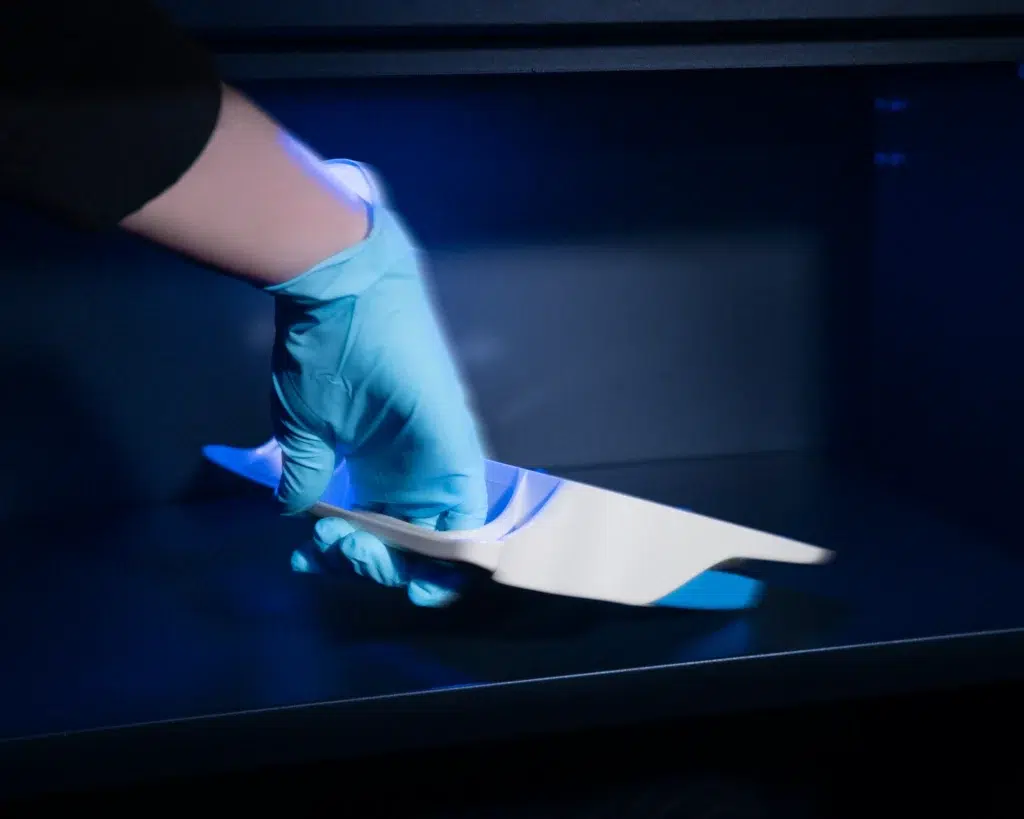
Some medical foot switches incorporate orientation monitoring to help detect when the device is no longer in its proper operating position. This added layer of protection is designed to reduce the risk of unintended activation when the switch has been lifted, tipped, or otherwise displaced.
How Tilt Detection Systems Work
Tilt detection systems often use an internal accelerometer to monitor the orientation of the foot switch during use. If the device is lifted, tipped over, or inverted, the system can automatically disable all input signals.
This helps prevent the switch from activating connected equipment while it is not properly positioned on the floor. Instead of responding to accidental movement, the device is configured to respond only when returned to its intended operating position. This is often an option when the foot switch is stored, preventing accidental activations when the system is powered on.
Reducing Accidental Activation Through Button Force Settings
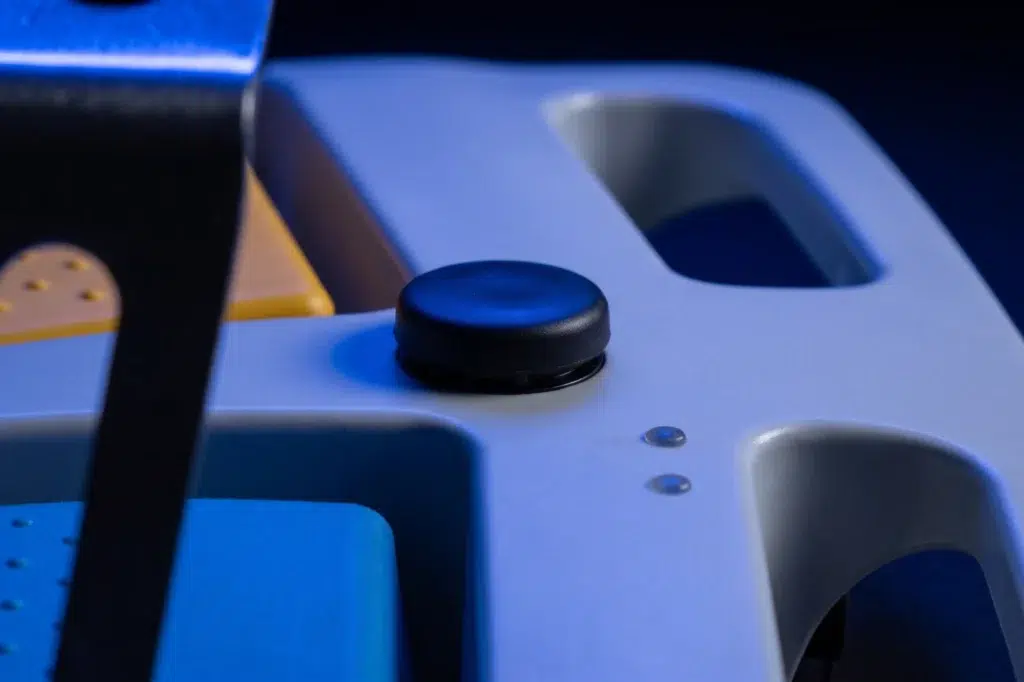
Additional safeguards may also be used to further reduce the likelihood of accidental activation. For example, push buttons can be configured with higher actuation-force options such as 2.5lb or 4lb.
This added resistance helps ensure that buttons do not activate under the weight of the device if the switch is tipped, shifted, or moved unexpectedly. It also supports more intentional input during normal operation.
Supporting Patient and Operator Safety
When combined, these design safeguards help improve both patient and operator safety by reducing unintended inputs and promoting predictable system response.
By using orientation monitoring, signal disabling, and configurable button force options, medical foot switches can be designed to respond only to deliberate user input during normal operation.
Final Thoughts
Tilt detection and orientation protection are important examples of how safety features are integrated into modern medical foot switch design. These systems help reduce accidental activation and support more controlled operation in demanding environments.
To explore more features designed to improve safety and reliability, visit our full medical foot control safety features overview and see how these systems are engineered for real-world performance.
Meet The Author

Arijan Kandic
Digital Marketing Specialist
Arijan is the Digital Marketing Specialist at Linemaster Switch Corporation and holds a bachelor’s degree in business management from Quinnipiac University. He manages the company’s SEO strategy, Google Ads campaigns, and digital marketing initiatives, and develops educational content for the Linemaster Learning Center to help engineers, OEMs, and medical device manufacturers better understand foot switch technology. Arijan works closely with Linemaster’s engineering and applications teams to translate complex technical concepts into clear, accurate articles on foot switch design, customization, and compliance considerations.
In Collaboration with

Sean Lewis
Director of Engineering
Sean has more than fifteen years of experience in product development, engineering governance, and cross functional technical operations. His background in metal fabrication, including machining, forming, welding, and inspection, provides a strong manufacturing foundation that supports his approach to design and process optimization. Sean holds a bachelor’s degree in mechanical engineering, an MBA with a manufacturing concentration, and an MSOL. He is a Certified SolidWorks Expert with advanced capability in CAD, rendering, simulation, and rapid prototyping. Sean also specializes in DFMEA and PFMEA risk management practices and is the holder of several foot switch design and utility patents.
Uploaded 04/29/2026
Custom Foot Switches
Linemaster’s custom footswitches are designed to meet specific user requirements, offering a range of features such as various pedal configurations, wired and wireless options, and customizable LED indicators. These custom footswitches provide reliable, durable solutions tailored to enhance functionality in diverse applications.


