

Understanding Air Foot Switches and Electro-Pneumatic Foot Switches: What’s the Difference?
In environments where moisture and electricity overlap like medical settings, spa systems, or factory floors keeping the operator isolated from live electrical components becomes a serious safety priority. That’s where air switches and electro-pneumatic switches come into play.
Though they may seem similar by description, these two switch types function in very different ways. This breakdown clarifies what separates them, how they operate, and which one might make more sense for your application.
What Is an Air Foot Switch?
An air foot switch is a non-electric device that controls the flow of compressed air to power a pneumatic tool or mechanism. Unlike electrical switches, air switches don’t involve any circuitry or wiring. When the actuator is pressed, a valve opens that allows for compressed air to flow through tubing and activate the connected air-powered device.
This makes air foot switches ideal for applications where water, cleaning solutions, or sanitation protocols make electricity impractical and unsafe, or where air tools are more practical for use.

Common Air Foot Switch Applications
- Spa Baths and Hot Tubs: Used to safely control pumps and jets without exposing users to live electricity near water.
- Medical Equipment: Ideal for dental chairs, X-ray machines, and other systems where sanitation and electrical isolation are important.
- Industrial Settings: Often used where wet floors or hazardous environments make direct electrical contact unsafe.
What Is an Electro-Pneumatic Foot Switch?
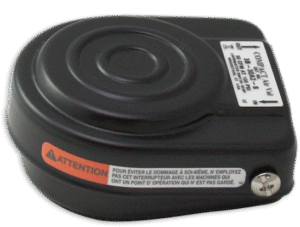
An electro-pneumatic switch sometimes referred to by its legacy name, air impulse switch is a mechanical switch triggered by air pressure but without any built-in electrical circuitry.
Despite the “electro” in the name, these switches operate without carrying current at the foot pedal or button. They use air compression generated by stepping on the foot switch to actuate a remote microswitch that opens or closes an electrical circuit. This makes them excellent for rugged or wet environments where direct electrical control would pose safety risks.

How Electro-Pneumatic Foot Switches Work
- Actuator: Often a bulb or bellow that compresses air when engaged.
- Tubing: Carries the compressed air to the switch.
- Switch mechanism: Air pressure moves a piston or diaphragm to mechanically actuate a microswitch.
These switches can be built as a momentary or maintained, depending on the desired function of the control system.
Since no electricity flows through the actuator itself, electro-pneumatic switches provide a safer way to control electrical devices in moisture prone areas.

Common Electro-Pneumatic Applications
- X-Ray Machines: Remote triggering of imaging devices from a safe, dry distance.
- Dental Chairs and Anesthesia Systems: Electrical actuators and air-controlled tools for positioning and sedation.
- Surgical Aspirators: Hands-free foot control for fluid suction during procedures in sterile environments.
- Tattoo and Skin Cancer Removal Equipment: Precision laser systems that rely on foot-controlled air actuation to trigger electrical devices.
Tubing Options and Performance Considerations
Linemaster offers two main tubing options for electro-pneumatic systems, each suited for different environments:
- Reinforced Tubing
- Pros: Highly durable and resistant to cutting.
- Cons: Stiffer and does not lay flat, which may limit use in portable setups.
- Vinyl Tubing
- Pros: Flexible and lays flat, reducing trip hazards.
- Cons: Slightly more prone to wear in rugged environments.
Important to note: The volume of air in the tubing directly affects performance. Longer tubing increases air volume, which can reduce the pressure delivered to the switch
potentially affect reliability. There’s usually a maximum tubing length beyond which performance may drop.
Real-World Example: Bio Grinder Application
One example of an electro-pneumatic switch in action comes from a customer using Linemaster’s foot controls in a washdown-heavy environment:
“We switched over our foot pedal switches to air-driven instead of electric pedals long ago. This eliminated many electrical issues from the foot pedals, which are constantly waterfilled. Even the air switches do get water damage; however, they remove any shock hazards.” – Linemaster Customer
In this case, replacing electric foot pedals with mechanical air-driven switches reduced failure points caused by water exposure. While moisture can still affect the system, removing electrical current from the actuator significantly lowered the risk of operator shock.
Final Thoughts
Air switches and electro-pneumatic switches may look similar, but they serve different functions. Air switches use compressed air to directly power a pneumatic device with no electricity involved. Electro-pneumatic switches rely on air to mechanically trigger a response, with no electricity at the point of contact.
Both are valuable in wet or high-risk environments; it just depends on what the system calls for. Understanding the difference helps you choose the safer, more reliable option for your application.
Want to dig deeper? Check out our blog posts on “How Microswitches Work” or “Momentary vs. Maintained Function” for a quick, easy breakdown.
Meet The Author

Arijan Kandic
Digital Marketing Specialist
Arijan is the Digital Marketing Specialist at Linemaster Switch Corporation and holds a bachelor’s degree in business management from Quinnipiac University. He manages the company’s SEO strategy, Google Ads campaigns, and digital marketing initiatives, and develops educational content for the Linemaster Learning Center to help engineers, OEMs, and medical device manufacturers better understand foot switch technology. Arijan works closely with Linemaster’s engineering and applications teams to translate complex technical concepts into clear, accurate articles on foot switch design, customization, and compliance considerations.
In Collaboration with

Christian D. Smutnick
Applications Engineer
Christian has fifteen years of experience in manufacturing and three years with Linemaster. He works with customers to identify solutions that meet their technical requirements while using existing designs and components whenever possible. This supports faster lead times and cost effective options without affecting performance.
Date Uploaded 11/06/25
Custom Foot Switches
Linemaster’s custom footswitches are designed to meet specific user requirements, offering a range of features such as various pedal configurations, wired and wireless options, and customizable LED indicators. These custom footswitches provide reliable, durable solutions tailored to enhance functionality in diverse applications.

