

Can We Make Custom PCBAs?
Understanding What a PCBA Is
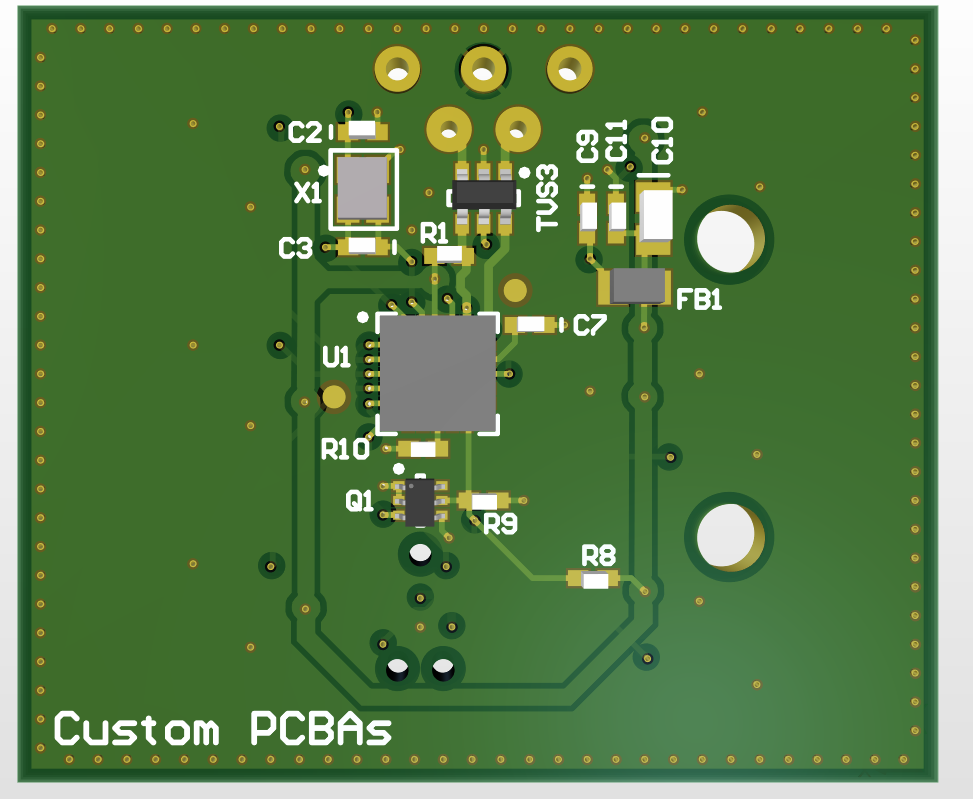
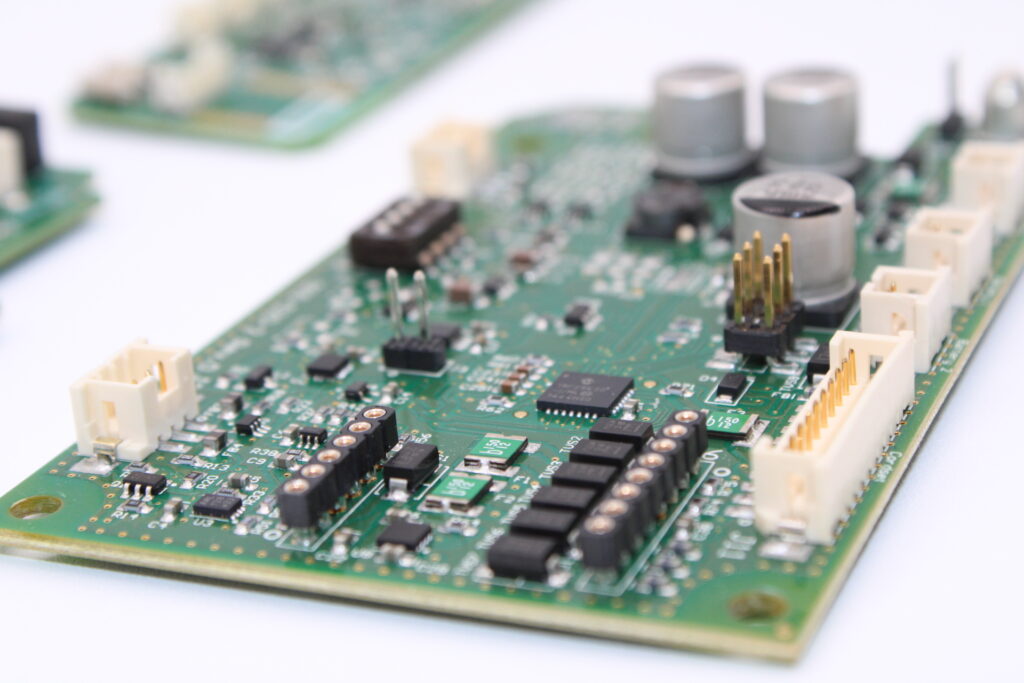
PCBA stands for printed circuit board assembly. A PCBA can be thought of as a collection of prewired connections that create the circuit you need. Before PCBAs, every wire had to be connected by hand, which was time consuming and left more room for mistakes. The PCBA takes that process and turns it into a compact and reliable assembly that connects every electronic component together.
Inside a foot switch, the PCBA acts as the core of the circuit. It connects all electrical components to make sure the switch performs as intended. A PCB is simply a bare board, while a PCBA includes all the mounted components that make the circuit function. Goals vary between signal control, variable output, or reliable contact between parts. The PCBA ensures consistency and repeatable performance in every unit.
Even when electronics are minimal, PCBAs simplify connections. Instead of wiring each terminal by hand, a board can be designed once and reused across builds. This saves time and increasing reliability.
What Makes a PCBA Custom
When a customer asks for a custom PCBA, it means the circuit is being tailored to meet a specific application. A board that already exists might perform certain functions, but if the design request requires something different, a new board has to be created.
Engineering reviews whether the existing design can meet the requirements. If it cannot, and the functions fall outside what the current layout supports. Therefore, a custom design is needed. Every customer has unique needs, and it is difficult to create a single design that fits all applications. The goal is always to adapt what exists, when possible, but some requests require an entirely new circuit to meet the performance or connection needs.
Think of it like this. If the existing board is designed to control XYZ, but a customer needs it to handle ABC instead, the layout and component selection must be reworked to support that new functionality. Requests that involve new sensors, communication modules, or outputs almost always require a new layout since those features were not part of the original design.
The Design and Engineering Process of a PCBA
When a custom PCBA request comes in, engineering starts by understanding what the board needs to do. They review the functions, power requirements, and specifications to make sure the design will meet the needs of the application.
From there, engineers use design software to lay out the circuit. At Linemaster, Altium is commonly used, though other tools may be selected based on experience or preference. Once the layout is complete, a prototype of the PCB is fabricated and populated with components, transforming it into a PCBA ready for testing.
Before production, the design goes through an extensive review process. Engineers verify that all traces are routed correctly, component footprints match, and all design practices are followed, including electromagnetic compatibility. Test circuits are often built on the bench before finalizing the board to confirm that the circuit behaves as expected.
When and Why Boards Need to Be Spun
There are several reasons why a new board might need to be created. One of the most common is a change in requirements. Sometimes a design that initially met all specifications needs to be adjusted to improve performance or reduce electrical noise that was not anticipated. Mistakes such as incorrect footprints can also lead to a redesign.
Introducing a new connector, sensor, or communication module changes the physical footprint, making the old design incompatible. If the component cannot be soldered properly or does not fit within the existing layout, a new version of the board is required.
Changes to the housing can also affect the board shape or clearances, but only when the mechanical dimensions alter the available space. In some cases, small adjustments can be made by adding cuts or jumps, but if the redesign becomes too complex, starting over is usually more practical.
Cost and Lead Time for a PCBA
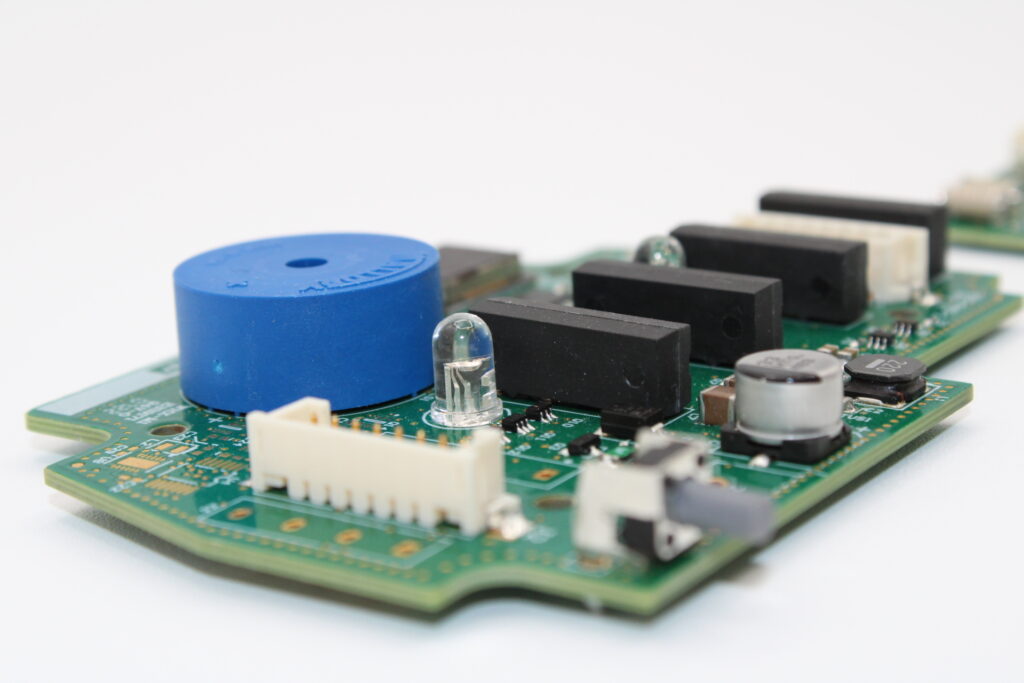
Custom PCBAs tend to cost more than standard ones because of quantity and complexity. Existing designs are produced in high volumes, while custom boards are often made in small batches, which impacts pricing.
Time also depends on complexity. A simple design may only take a few days, while a board with a microprocessor can take about a week to design and another week to fabricate. The main cost drivers include tooling, layout time, testing, and component sourcing.
Early communication helps avoid unnecessary rework. When all the information is provided at the start, the circuit can be drawn correctly from the beginning. If a change comes later and there is no room left in the layout, the entire design may need to be redone.
Testing and Validation
Every custom PCBA is tested for electrical, functional, and environmental performance. Boards are designed to meet IPC standards and are functionally tested both on the bench and inside the foot switch prototype. Each connection is verified before validation and verification testing begins.
Prototyping plays an important role. Engineers test internally but also rely on customer feedback once the prototype is in use. This helps identify any real world conditions that could not be fully anticipated during design.
Examples and Lessons Learned
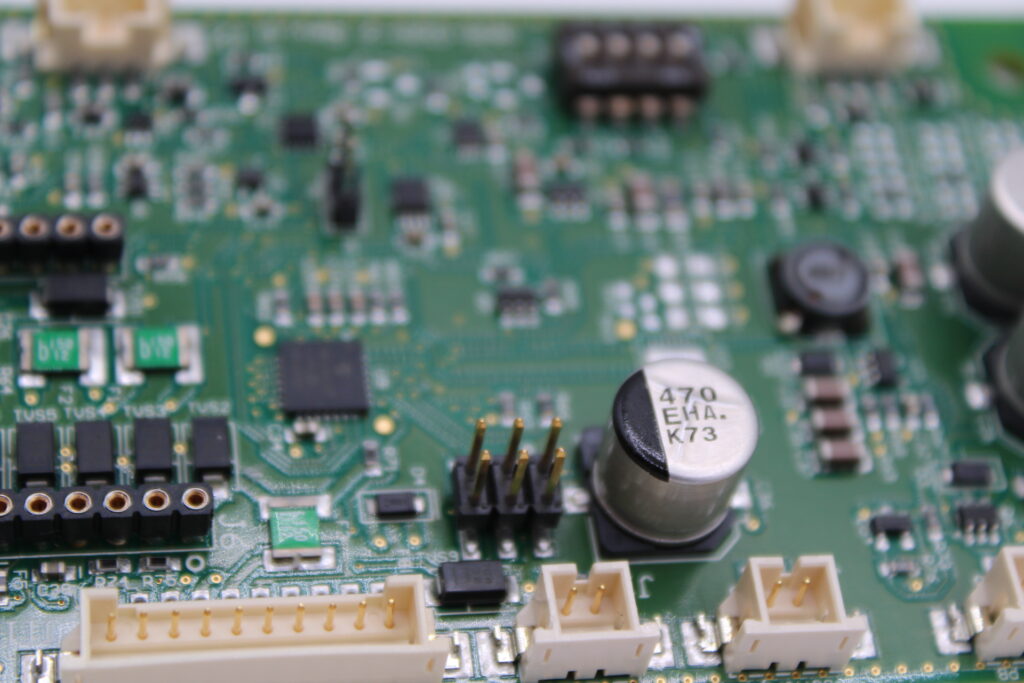
Every custom PCBA is created to solve a specific need. Hand wiring can work for a quick mock up, but it is not reliable for production. Loose wires, broken connections, and frayed ends can all compromise performance. PCBAs eliminate those risks by creating a reliable and repeatable connection system.
Even a small change such as adding an LED or sensor can require a new layout if it alters the component footprint. Over time, engineers have learned to build flexibility into their designs to handle common issues like swapped transmit and receive lines. Diagnostic features and test points are also added to make it easier to verify that each PCBA is functioning correctly and can be tested automatically.
How Customers Can Help
To make the process smoother, customers should gather all requirements before submitting a custom request. That includes functional needs, power availability, potential future features, and any regulatory or UL certification requirements that may affect the design.
Providing schematics, mechanical dimensions, mounting details, and environmental information helps engineering design efficiently and avoid rework. When the details are clear from the start, the project moves faster and stays on track.
Final Thoughts
Designing a custom PCBA takes time, and it is important to plan for adjustments. Because these designs are built from the ground up, unexpected findings are common once prototypes are tested. Engineers typically schedule a cleanup spin to refine and correct any minor issues that appear after the first build.
The process also requires managing feature creep, where new functions are added after testing. Keeping the design scope defined helps control cost and schedule. In the end, success is when the customer is fully satisfied and no further changes are needed.
Custom PCBAs are built to meet a specific need and to deliver reliability through precision design, careful testing, and collaboration from start to finish.
To explore more about how electrical components work within foot switches. Please visit our Learning Center and read related articles like My Footswitch Came Without a Cord. How Do I Wire It? And Single Pole, Double Pole, and Everything In Between: Understanding SPST, SPDT, DPST, DPDT Switches. Each offers a deeper look at how connection, configuration, and circuit design come together inside a foot switch system.
Meet The Author

Arijan Kandic
Digital Marketing Specialist
Arijan is the Digital Marketing Specialist at Linemaster Switch Corporation and holds a bachelor’s degree in business management from Quinnipiac University. He manages the company’s SEO strategy, Google Ads campaigns, and digital marketing initiatives, and develops educational content for the Linemaster Learning Center to help engineers, OEMs, and medical device manufacturers better understand foot switch technology. Arijan works closely with Linemaster’s engineering and applications teams to translate complex technical concepts into clear, accurate articles on foot switch design, customization, and compliance considerations.
In Collaboration with

William Chan
Chief Electrical Design Engineer
Bill has more than thirty four years of experience in high speed digital and analog electronic system architecture and hardware circuit design across the medical and security industries. He has been with Linemaster for over sixteen years and serves as the primary technical contact for customer electrical requirements and application specific solutions. He is best known for his wired and wireless low power digital and analog circuit designs, PCBA development, and cybersecurity focused hardware work.
Date Uploaded 10/30/25
Custom Foot Switches
Linemaster’s custom footswitches are designed to meet specific user requirements, offering a range of features such as various pedal configurations, wired and wireless options, and customizable LED indicators. These custom footswitches provide reliable, durable solutions tailored to enhance functionality in diverse applications.

