
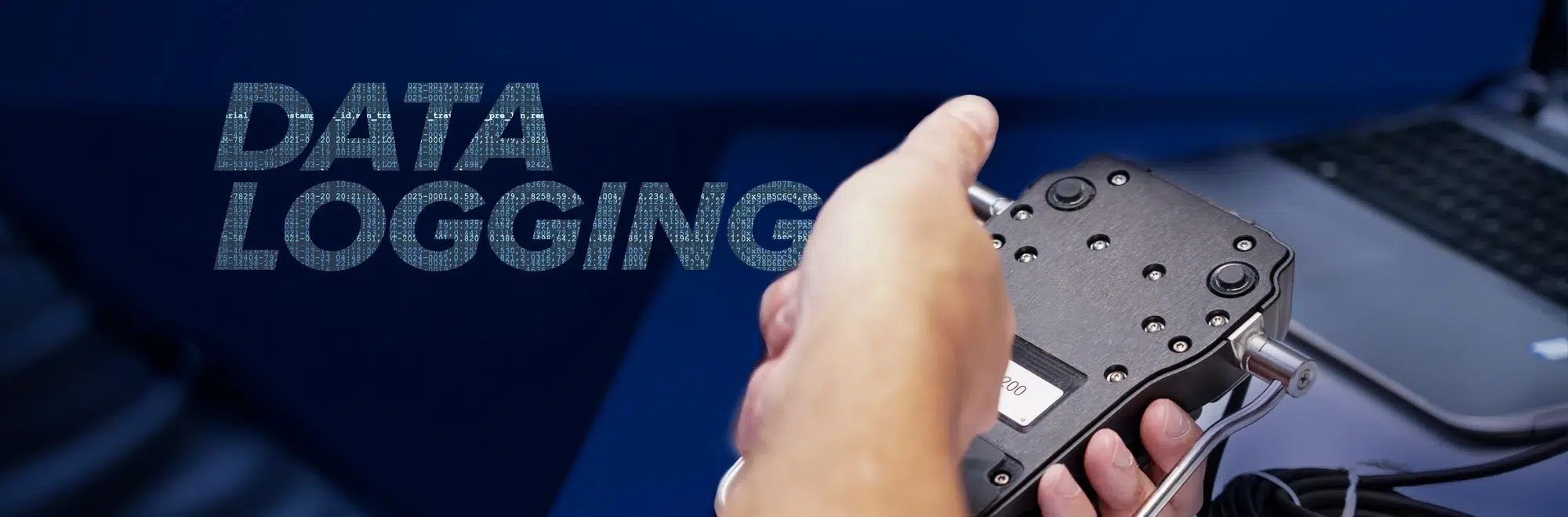
Data Logging in Foot Switch Manufacturing: What It Tracks and Why It Matters
When something starts to drift on the production floor, you want answers fast. Which serial numbers are affected? When were they built? Are the units still inside spec, or are they trending out? Without data logging, those questions take a long time to answer. With it, they take seconds.
Data logging is the practice of recording performance values for every unit that comes off the line, then storing that information in a searchable database. For foot switch manufacturing, it opens up a level of visibility most teams only get when something goes wrong, and it makes it possible to spot trends before they turn into problems.
What Data Logging Actually Lets You Do
The cost advantage is history. Once you log performance data per unit, you can pull up any device in your production history and see exactly how it performed. That makes a few things possible:
- Track trends or performance drift across the entire production history
- Identify the tolerance ranges your population is actually hitting
- Isolate specific units that warrant further investigation
- Search the database by manufacturer date, serial number, or performance window
- Pull every device that falls inside or outside a defined performance range
That last point is bigger than it sounds. If a customer flags an issue or your quality team notices an outlier, you can query the database and surface every related unit in minutes. No paper trail digging, no guesswork.
Long Term Statistical Analysis and New Product Development
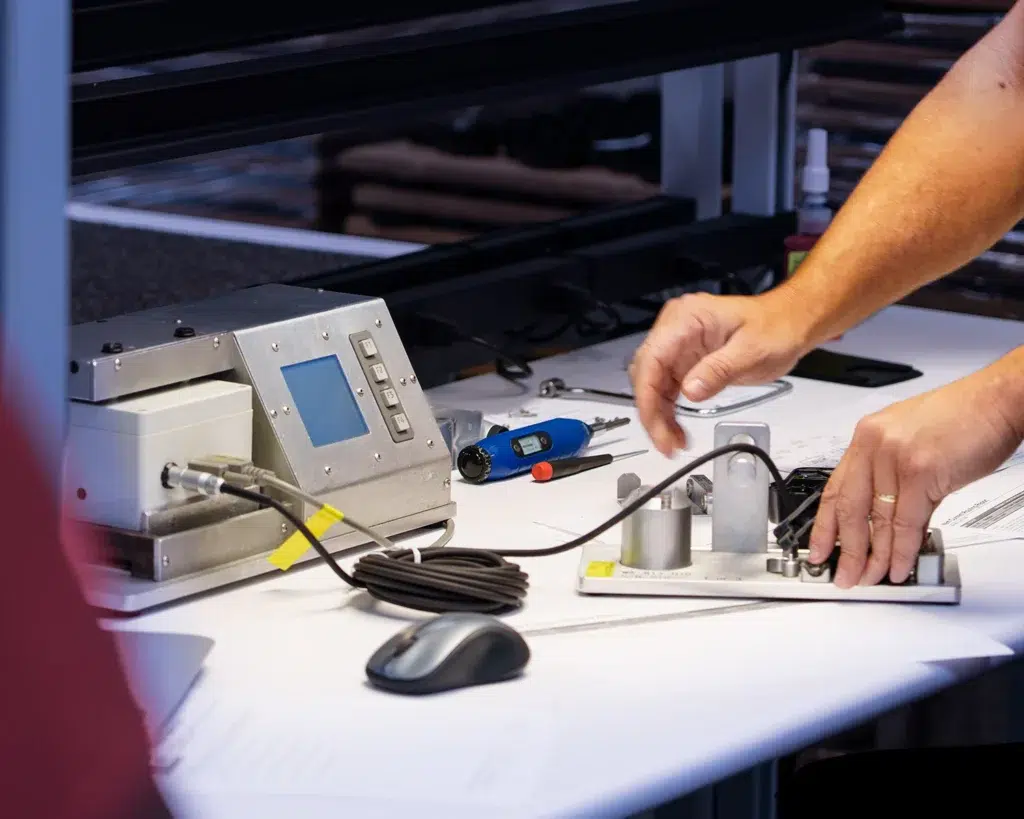
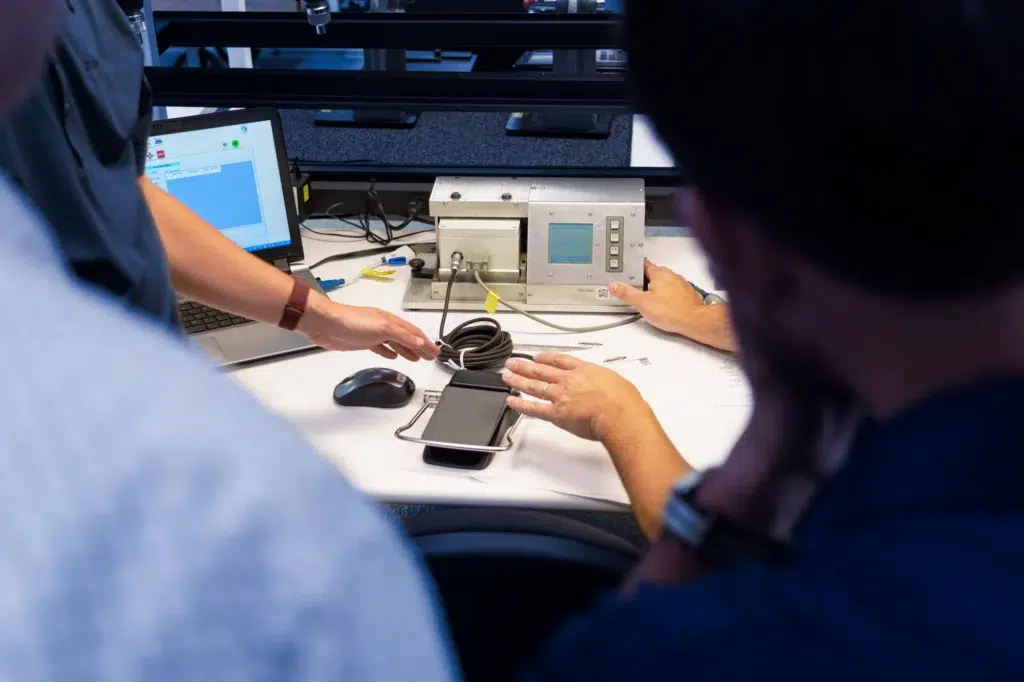
Data logging also feeds into something most manufacturers want but rarely have the data to support: real statistical analysis on how the population is performing against spec.
If your process capability numbers are sitting comfortably high, that can suggest the criteria are tighter than they need to be and there is room to relax them. If those numbers start to tighten up, the data flags the need to investigate before yield takes a hit. Either way, you can see which way the population is trending and how close it is to the edges of spec.
For new product development, that history becomes a baseline. Engineering can study how the current product is performing, then decide where the next generation needs to tighten up or where there is room to simplify.
The Tradeoffs to Weigh
Data logging is not free. The biggest cost is labor.
For units that don’t typically receive a serial number, you now need to add one. That means extra steps in production, whether that is scanning a serial into an electronic device or making sure the information is captured on a physical label. If the logging itself is automated, you save time on the back end, but you still need lot setups that allow inline logging during assembly.
The short version is that pricing is the main tradeoff. Whether the cost is worth it usually comes down to the application and how much value the data adds for the customer. For applications with strict quality requirements or long product lifecycles, the cost of logging is often easier to justify than the cost of not having the data.
A Real Example: A Customer Audit Years Later
One Linemaster customer requested data logging on the variable output of their foot switches. The setup tracks minimum travel, maximum travel, and the raw value before linearization, which lets the customer see magnetic drift and overall performance over time. The raw values get remapped to a 0 to 100 percent travel range, and both the raw and remapped values are stored in the database.
Years after production start, the customer came back wanting an audit. They wanted to see how well our calibration routines had held up over time. They had no idea whether the units were hitting plus or minus 5 percent, plus or minus 10 percent, or somewhere else entirely.
We pulled the database and handed over the data for analysis. The numbers came back right on the dot, every unit, going back to day one. The audit confirmed the calibration was hitting spec consistently across the entire production history, and the customer walked away pleasantly surprise. That kind of result is only possible when the data is there to back it up.
Is Data Logging Right for Your Application?
If you are working on a project where traceability, long term performance, or post production audits matter, data logging is worth considering early in the design phase. The earlier it is built into the production flow, the cleaner the implementation tends to be.
If you have question about whether data logging makes sense for your foot switch application, reach out to our team. We can walk though the options and help you weigh the cost against the visibility you would gain.

Meet The Author

Arijan Kandic
Digital Marketing Specialist
Arijan is the Digital Marketing Specialist at Linemaster Switch Corporation and holds a bachelor’s degree in business management from Quinnipiac University. He manages the company’s SEO strategy, Google Ads campaigns, and digital marketing initiatives, and develops educational content for the Linemaster Learning Center to help engineers, OEMs, and medical device manufacturers better understand foot switch technology. Arijan works closely with Linemaster’s engineering and applications teams to translate complex technical concepts into clear, accurate articles on foot switch design, customization, and compliance considerations.
In Collaboration with

William Chan
Chief Electrical Design Engineer
Bill has more than thirty four years of experience in high speed digital and analog electronic system architecture and hardware circuit design across the medical and security industries. He has been with Linemaster for over sixteen years and serves as the primary technical contact for customer electrical requirements and application specific solutions. He is best known for his wired and wireless low power digital and analog circuit designs, PCBA development, and cybersecurity focused hardware work.
Uploaded 05/11/2026
Custom Foot Switches
Linemaster’s custom footswitches are designed to meet specific user requirements, offering a range of features such as various pedal configurations, wired and wireless options, and customizable LED indicators. These custom footswitches provide reliable, durable solutions tailored to enhance functionality in diverse applications.

