

How Safety Mechanisms Prevent Accidental Activation on Foot Switches
Accidental activation of a foot switch can be more than just an inconvenience. In certain environments it can lead to injury, equipment damage, or costly downtime. Knowing the risks, understanding the safety mechanisms available, and recognizing how regulations shape design can make a big difference in preventing problems before they happen.
What’s the Actual Risk if a Foot Switch Activates Unintentionally
Even in controlled settings an unintended press of a foot switch can trigger motion or power in ways that put people and equipment at risk.
In medical applications an accidental press could cause bodily injury. Guards help reduce that risk, but other issues can still happen, such as a switch staying on after being released. Industrial environments face similar hazards, especially with heavy machinery where an unexpected activation could damage equipment or injure operators.
Some industries such as metalworking have particularly high consequences. Foot switches for shears and presses often use anti-trip or gated anti-trip designs to ensure deliberate operation. A kick plate must be pressed in before the switch activates, and with a gated anti-trip an operator has to lift a gate and press an additional lever before stepping on the pedal. If the gate is down a foot cannot even reach the switch.
In regulated settings safety features are often dictated by compliance standards. OSHA outline requirements for certain industrial applications, while medical equipment follows FDA or ISO regulations. Each framework shapes what safety mechanisms are necessary.
Mechanical Features That Reduce Accidental Activation
The shape and hardware of a foot switch are the first layer of protection.
Guards, anti-trips, and gates all make activation more deliberate by requiring multiple steps before the pedal can be pressed. Some applications such as lift buckets and cranes use dead man switches. In these, the operator must keep the pedal pressed to maintain movement. If they release it, the equipment stops immediately. This is critical for tasks like operating a bucket truck, where an operator working on powerlines needs the lift to stop instantly if they lose balance or become incapacitated.
While treadle textures like dimples or ribs improve grip and help prevent slipping, they are more about ease of use than accidental prevention. Increasing the actuation force does
help reduce unintended triggers. For example, with a very light activation force, dropping a screwdriver could be enough to engage the switch. A higher force makes it harder for dropped tools to cause activation, although heavy objects can still trigger it. In the medical field actuation force is regulated and must meet a minimum standard of 10 newtons.
Heel and toe guards are generally designed to protect the operator’s feet rather than prevent activation in most foot switch designs.
Internal Designs and Wiring Choices That Improve Safety
Not all safety features are visible. Internal components, wiring arrangements, and logic controls can prevent misfires.
For example, twin foot switches can be wired so pressing both pedals at the same time results in no action. Divider bars between pedals serve a similar purpose by making it physically difficult to press both at once with one foot.
Redundant circuits or dual-channel wiring are worth considering when the risk of injury, equipment damage, or production downtime is high. Basic wiring safety measures such as grounding should always be followed when the design allows.
Custom Safety Options When Extra Protection Is Needed
When a standard design is not enough, custom features can address specific hazards.
Higher actuation force make activation more deliberate, while interlocks can prevent certain actions, such as preventing both pedals in a twin from being pressed at once, unless conditions are met.
For most safety-focused applications anti-trip and gated anti-trip models are recommended. In OEM projects the customer typically specifies the safety features they want included. Choosing between mechanical and electrical safeguards depends on the regulations, operating environment, and user needs.
Common Mistakes Customers Make When Considering Safety
One of the most common oversights is skipping guards or anti-trip mechanisms when there is a chance of accidental activation.
In some cases, removing safety features to save time or cost has led to injuries or legal issues. Bypassing designed safety systems, such as two-hand controls, defeats their purpose and increases the chance of accidents.
If a customer believes their application is low risk, asking whether the removal of safety features could cause injury or damage is a good starting point. Ultimately the customer decides, but informed recommendations can help guide the choice.
Deciding Which Safety Features to Include
For customers unsure about how much protection they need, the safest approach is to review applicable regulations first. If in doubt, adding guards or anti-trips from the start is often easier and safer than trying to retrofit them later.
Baseline recommendations for preventing accidental activation include guards, anti-trips, or a combination of both. Before removing any protective elements, consider whether doing so could put people or equipment at risk and whether the design still meets OSHA, FDA, or IEC standards.
Designing with safety in mind from the beginning avoids costly redesigns and ensures the foot switch is ready for its intended environment.
Conclusion
Accidental activation is a risk that can have serious consequences. By combining mechanical safeguards, thoughtful wiring, and the right safety features you can reduce that risk significantly. Whether the switch is used in a hospital, a factory, or in the field, the key is to match the level of protection to real hazards it will face and to think about safety early in the design process.
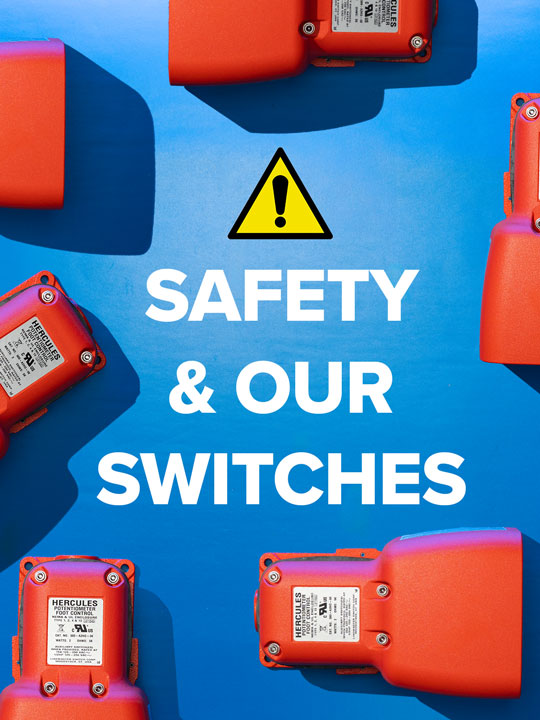
Looking for more ways to protect your equipment and operators? Explore detailed safety breakdowns, industry examples, and expert insights in our Learning Center.
Meet The Author

Arijan Kandic
Digital Marketing Specialist
Arijan is the Digital Marketing Specialist at Linemaster Switch Corporation and holds a bachelor’s degree in business management from Quinnipiac University. He manages the company’s SEO strategy, Google Ads campaigns, and digital marketing initiatives, and develops educational content for the Linemaster Learning Center to help engineers, OEMs, and medical device manufacturers better understand foot switch technology. Arijan works closely with Linemaster’s engineering and applications teams to translate complex technical concepts into clear, accurate articles on foot switch design, customization, and compliance considerations.
In Collaboration with

Dave Drouin
Applications Engineer
Dave Druin is an Applications Engineer at Linemaster Switch Corporation and has been with the company for more than 25 years. He supports project management, new product development, process development, and technical support across Linemaster’s product lines. Dave primarily focuses on managing projects related to product line extensions, helping guide new solutions from development through implementation while supporting the continued evolution of Linemaster’s foot switch offerings.
Date Uploaded 10/23/25
Custom Foot Switches
Linemaster’s custom footswitches are designed to meet specific user requirements, offering a range of features such as various pedal configurations, wired and wireless options, and customizable LED indicators. These custom footswitches provide reliable, durable solutions tailored to enhance functionality in diverse applications.

