
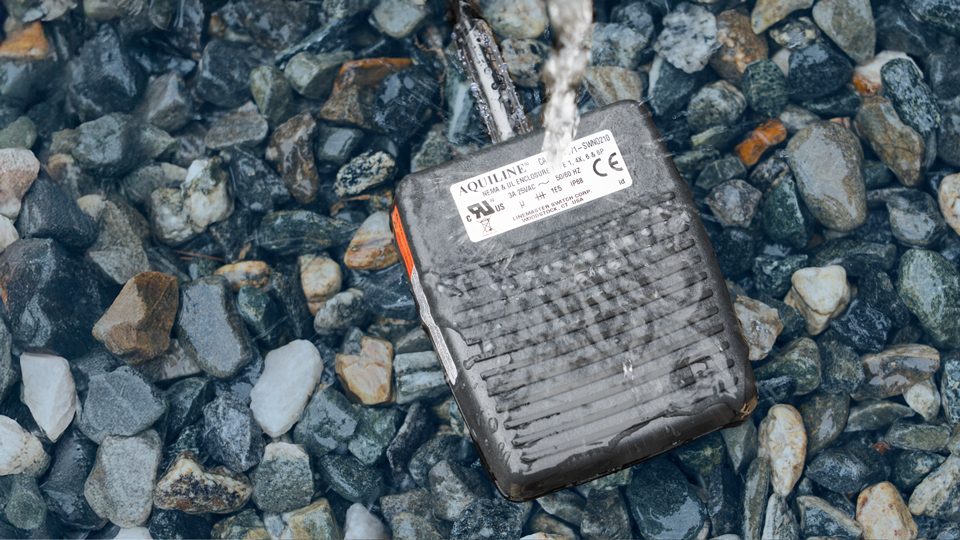
What is Ingress Protection?
What happens if your foot switch fails right when you need it most? Whether you’re dealing with dust on a factory floor or splashes in a medical setting, the equipment you count on needs to be tough and sealed. That’s where something called an IP (Ingress Protection) rating comes in. Short for Ingress Protection, it tells you how well a product’s outer casing stands up against things like dust, dirt, and water.
For foot switches, this isn’t just a nice-to-have; it can be the difference between a smooth operation and a breakdown that slows everything down. Developed by the International Electrotechnical Commission (IEC) under standard EN 60529, the IP (Ingress Protection) system gives you a clear, reliable way to know if your equipment is ready for real-world conditions.
How to Read an IP (Ingress Protection) Rating
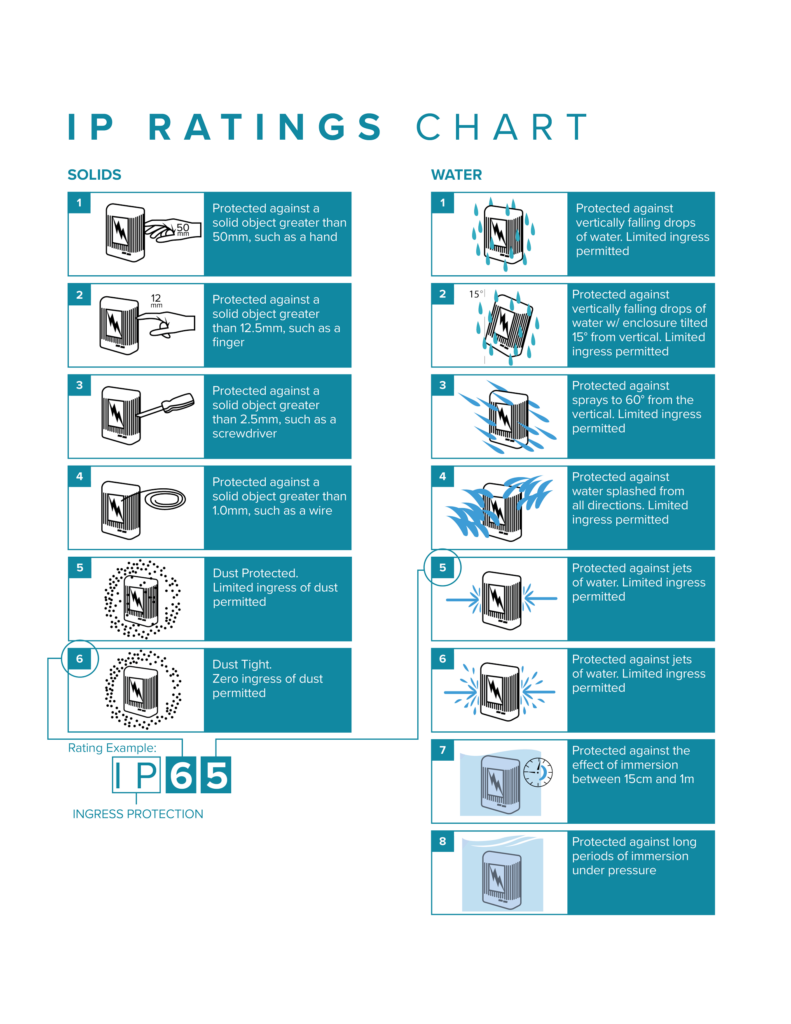
An IP rating always starts with the letters “IP,” followed by two (and sometimes three) characters. Each character tells you something specific:
- The first character shows how well the product is protected against solid objects like dust or dirt. The scale runs from 0 (no protection) to 6 (completely dust-tight).
- The second character shows how well the product is protected against liquids, ranging from 0 (no protection) to 9K (resistant to high-pressure, high-temperature water jets).
Sometimes you’ll see an “X” in place of one of the digits for example, IPX4 or IP6X:
- If the first character is X, it means the product wasn’t tested for protection against dust.
- If the second character is X, it means it wasn’t tested for liquid protection.
The “X” doesn’t mean it has no protection; it just means it wasn’t part of the testing
Real-World Example: IP56 Rating
Here’s a quick example: If something has an IP56 rating, it means it’s completely dust-proof and is protected against water jets. An example of where you would be able to find a switch with this type of IP rating is on a factory floor where machinery might be washed down with hoses.
Common IP (Ingress Protection) Ratings You Might See
Here are a few IP ratings you’ll probably come across when shopping for equipment:
- IP20 – Protected against a solid object greater than 12.5mm.
- IP41 – Protected against solid objects larger than 1mm and vertically falling drops of water.
- IP43 – Protected against solid objects larger than 1mm and against sprays 60° from the vertical.
- IP56 – Dust-tight and protected against water jets.
- IP66 – Dust-tight and protected against powerful water jets.
- IP68 – Dust-tight and protected against continuous immersion under pressure.
Each rating helps you quickly figure out what kind of environments the equipment is built for, whether it’s just occasional splashes or full washdowns.
Why Ingress Protection Ratings Matter for Foot Switches
Understanding IP ratings is key when choosing equipment for tough environments like hospitals, factories, or labs. Foot switches sit directly on the floor, where they’re exposed to dust, debris, cleaning fluids, or even water from wet shoes whether it’s from rain, snow, or freshly mopped floors. Without proper protection, that exposure increases the risk of shorts, breakdowns, and early failure.
How to Pick the Right Ingress Protection Rating for Your Workspace
Choosing an IP rating depends on the kind of environment your equipment will face day in and day out. Here’s a general guide to help point you in the right direction:
- Medical settings (like surgical rooms): Higher ratings like IP66 or above may be beneficial when equipment is near frequent rinsing or fluid exposure.
- Factory floors or industrial spaces: If liquids are present or washdowns occur, something like IP65 or IP67 might be helpful. For dry environments, though, a lower rating like IP20 may be completely sufficient.
- Laboratories: Depending on the processes, something in the range of IP54 to IP66 can offer protection from light splashes or airborne particles.
- Outdoor use: If equipment could face rain, snow, or standing water, IP67 or higher is often considered a safer choice.
Choosing the right rating for your environment can help reduce downtime, minimize maintenance needs, and extend the life of your equipment—but it’s always best to match the rating to the actual conditions.
Where to Learn More
Taking a few minutes to understand what an IP rating means can really help you make smarter choices when picking out the right equipment for your workspace. If you want to learn more, visit linemaster.com and check out our product categories. You’ll find our IP chart there; it’s a great tool to help you figure out exactly what level of protection you might need.

Frequently Asked Questions
How do you verify a foot switch meets IP68 sealing requirements?
Verification comes back to testing under EN 60529, the standard the IP system is built on. A foot switch with an IP68 rating has been evaluated at the top of both scales, fully dust-tight and protected against continuous immersion in water under pressure. If a rating cannot be tied back to that standard, it should not be treated as verified.
What does IP68 actually mean for cleaning a foot switch with fluids?
IP stands for Ingress Protection, and the two digits show how well the housing is sealed: the first against dust, the second against liquids. IP68 sits at the top of that scale, so the housing is designed to keep dust out completely and handle water well beyond a light splash. For cleaning, that’s what lets the surface be wiped down with fluids without moisture reaching the internal components. To see how the full IP scale breaks down, take a look at our Ingress Protection guide.
Meet The Author

Arijan Kandic
Digital Marketing Specialist
Arijan is the Digital Marketing Specialist at Linemaster Switch Corporation and holds a bachelor’s degree in business management from Quinnipiac University. He manages the company’s SEO strategy, Google Ads campaigns, and digital marketing initiatives, and develops educational content for the Linemaster Learning Center to help engineers, OEMs, and medical device manufacturers better understand foot switch technology. Arijan works closely with Linemaster’s engineering and applications teams to translate complex technical concepts into clear, accurate articles on foot switch design, customization, and compliance considerations.
In Collaboration with

Dave Drouin
Applications Engineer
Dave Druin is an Applications Engineer at Linemaster Switch Corporation and has been with the company for more than 25 years. He supports project management, new product development, process development, and technical support across Linemaster’s product lines. Dave primarily focuses on managing projects related to product line extensions, helping guide new solutions from development through implementation while supporting the continued evolution of Linemaster’s foot switch offerings.

Christian D. Smutnick
Applications Engineer
Christian has fifteen years of experience in manufacturing and three years with Linemaster. He works with customers to identify solutions that meet their technical requirements while using existing designs and components whenever possible. This supports faster lead times and cost effective options without affecting performance.
Uploaded 06/26/25
